Month Notes for September 2026
September was dominated by a two week road trip in Hokkaido and then playing lots of Control Resonant on my Steam Machine. Interspersed between many vibe coded projects and hang outs with friends local and remote!
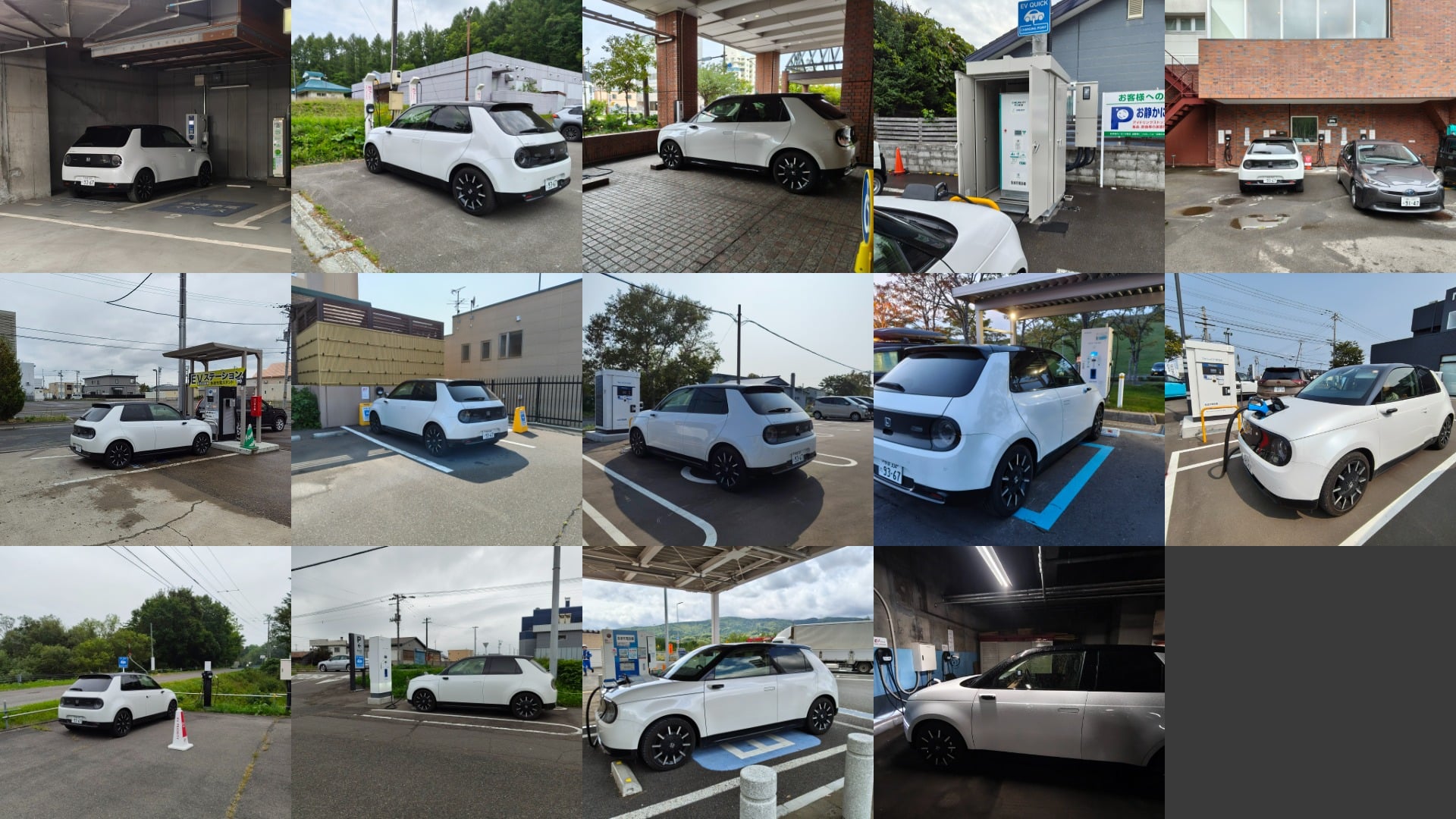
At the end of August, we did a impulsive trip where I took my Honda-e on a boat, drove from Sapporo to Asahikawa to Nemuro (Eastern most town) and then back through Kushiro, Obihiro and Tomamu.
I'm trying to put together a longer write up about the trip, since there were some memorable places we went to, some fun stuff about how I managed to drive this little EV that has only 150-200km practical range and how to go on a car ferry from Tokyo (Ibaraki) to Hokkaido (Komakodai).
When we travel, we generally travel without a strong plan. The hotels were only booked around three days in advance. The main route was dictated by how I could charge, but also hotel bookings got prioritized by which hotels had on-site slow chargers so I could charge overnight. Amazingly, all but two nights of our twelve night trip did encounter a hotel that had no EV charger.
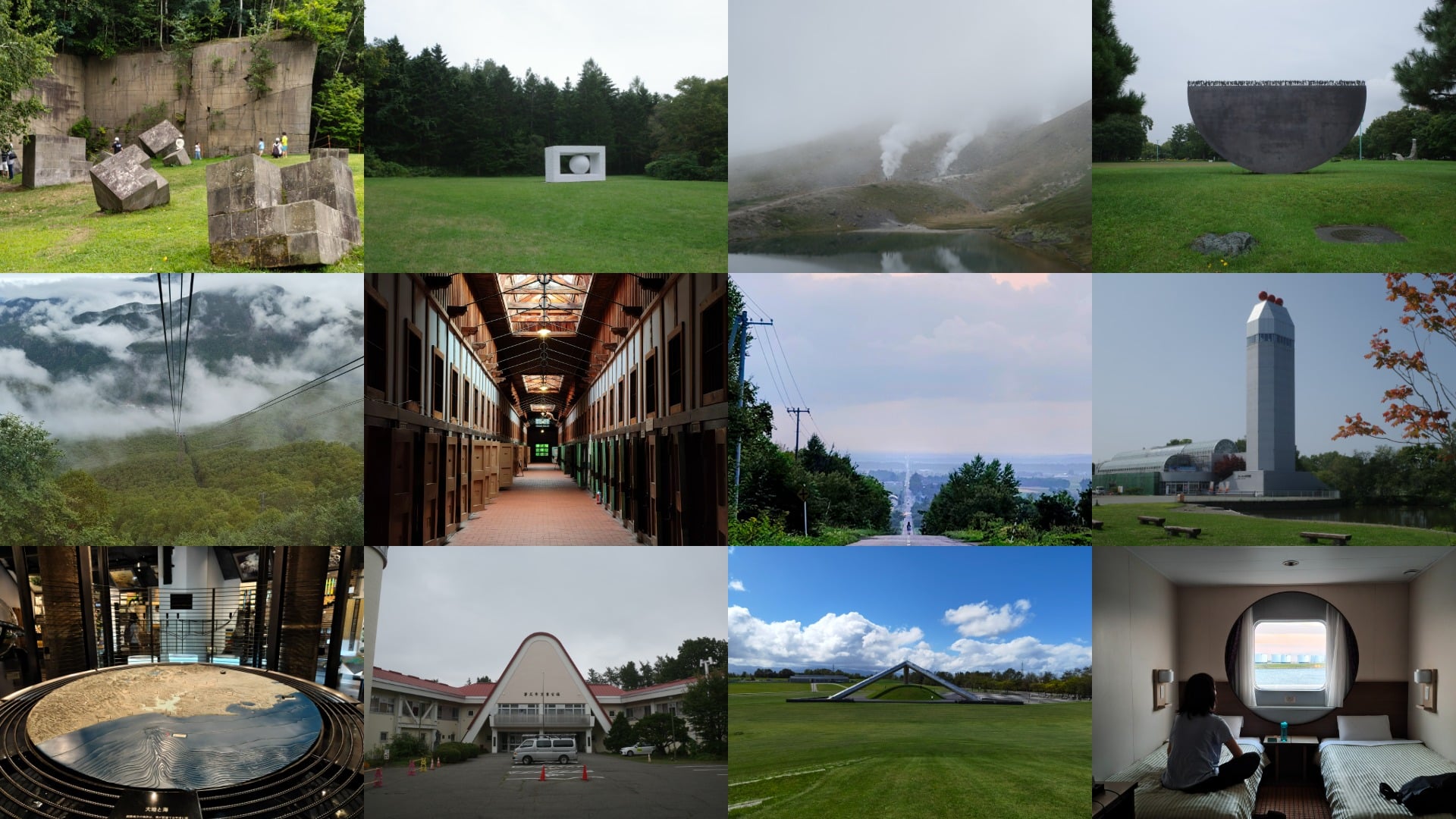
A few wonderful surprises on the trip, Ishiyama Green Space in Sapporo, The Kan Yasuda Sculpture Park in Bibai, Abashiri Prison Museum, Shibetsu Salmon Museum and Kushiro City Muesum. And then one that I expected to be amazing, and it was, which was the Moerenuma Park with these large scale sculptures from Noguchi.
Hokkaido is just really big, things outside of the big cities like Sapporo and Asahikawa, there is so much space. It is not surprise that it's where so much agriculture is happening, we drove through so many different types of landscape, rice farms, corn farms, onion farms, cow pastures and more.
The iPhone Duo, after years of rumors, finally launched. And like some of the other foldables, it's surprisingly expensive for the utility of it compared to a regular phone. In fact, I want my phones to be smaller not larger.
Very excited about the new Nintendo Switch remake of the Zelda Ocarina of Time. Ocarina of Time may had been one of my favorite games on the Nintendo 64 back in the day along with Super Mario 64. I remember maybe playing through it twice and the controls for the ocarina. I'm excited to see how much improved the graphics are. Out towards the end of November! I'm super excited about it.
Speaking of video games, Remedy (Game Studio) released their sequel to Control, one of my all time favorite games, called Control Resonant. So good I think I played it on the Mac and the Switch (through remote play) more than two times from start to finish.
No spoilers, but it is as mindbending as the previous one, in fact, they doubled down on geometric madness with the abiilty to walk on walls and shift your gravity which is pretty mindblowing.
The fighting is very hard in the game, while the encounters in the open world are mostly do-able, the boss fights are insanely hard. I feel it is due to my lacking loadout. I'm interested in doing a replay of the game once I finish it to see if I could do it without Assist Mode. So far, I've had to used Assist Mode in the boss fights to get through them.
More thoughts on it in a separate post.
Currently I organize two different meetups, one is the Vibe Coders Tokyo and the other is the Geo Tokyo. One thing I realized last month was that we don't really have a archive of all the meetups even though we take photos and take notes. So I went ahead and vibe coded websites for both, with the intention of providing some more permanent info online about them in the future.
I wanted to create a newsletter signup for both, but I realized how hard it is to send email in the current world. I'm not sure what's actually required or why it costs so much to run a newsletter to a few hundred people.
I love these small embedded devices that you can get, especially e-ink screen or tiny screens with dials. I wrote about programming them in a previous Month Notes. My latest one is the XTeink X4C, which is magnetic and supposed to be a tiny e-reader that snaps on to the back of the phone. But I want to use it to be a remote display.
To that end, I've now started vibe-coding firmwares and protocol definitions and create screen sharing capability over Bluetooth LE (BLE). BLE is pretty low bandwidth and low power, but also very simple. You can imagine it to be like a UDP connection with some light reliability guarantees.
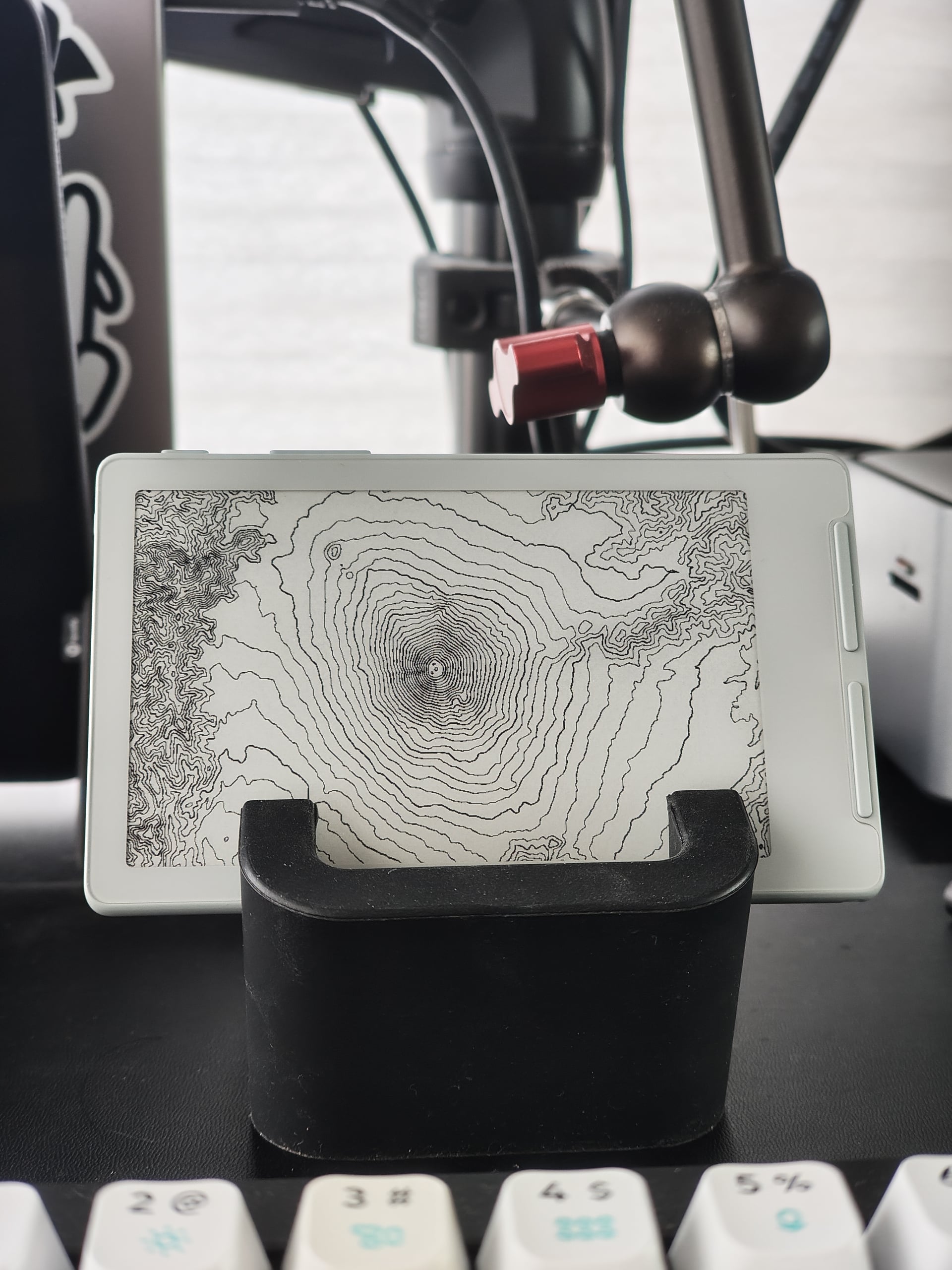
I've defined a protocol call BLIT (Bluetooth LE Image Transfer) that allows an embedded device to receive bitmap data across BLE from a server and display it. It's pretty simple, but it then allows us to create different servers on top of this. One that I created is a headless Chromium that takes in URLs, renders them to a screen buffer and BLITs it to the XTeink device, creating a low power display we could draw to and disconnect from.
Since these devices are run off ESP32, the same firmware, packaged under Platform IO can be used against other ESP32 devices too, like anything from M5Stack, Seeedstudio or LilyGo. In fact many mechanical keyboards now are running off ESP32 chips too.
For a while, I've been concerned that I have 2TB of data sitting on an S3 storage that was costing me money and not really doing anything. Since I built a NAS last month, the goal was to move a lot of that data back to local storage on my NAS so that any S3 cloud provider is only storing things that are being used.
I went from 2TB of storage being used down to around 47GB after moving all my stuff to my NAS.
On my NAS, I started running VersityGW, which provides an S3 interface on top of stored files on my NAS. This means all my scripts (mainly for Snowline) still work the same except it is pointing to an internal storage bucket rather than something on the cloud. So far it has been reliable for me.
While VersityGW stores the files through the S3 protocol, I also need a web server to act as the content delivery. For this, I'm using Caddy. Generally I've been prefering Caddy over nginx, mainly because the configuration is much more simple and it is able to do automatic SSL provisioning through LetsEncrypt for internal services as long as I give them a proper fully-qualified domain name.
At Vibe Coders Tokyo meetup we hosted this month, it was all demos. I love it when it was just all demos. In fact, I feel like we should maybe lean more to small group demos rather than having large group talks. There are enough AI talk meetups going on, I don't think it's a format we really need to "compete" in. I would love if we just kept it simple, demos and chat.
This month we also hosted Geo Tokyo, which is much smaller in size, 15-20 people this time round, at Fab Cafe MTRL in Shibuya. I always meet some interesting folks through this, it's about half people who've been and half people who are new and have stumbled across us. The format is always about demos and chat, which is my prefered meetup format over a lecture style meetup.
My good friend from my PhD days at Cambridge, Anil Madahavapeddy, has been writing up a storm on his blog. He's been regularly posting and it's been a delight to read. I learn a lot from reading his posts, including Tessera, a project to generate embeddings for every square of the world through satellite and other geodata. His take on the real world usage of using AI agents for coding and software engineering has been getting attention because he's both in the academic world, but also practically using/defending against it with projects he maintains.
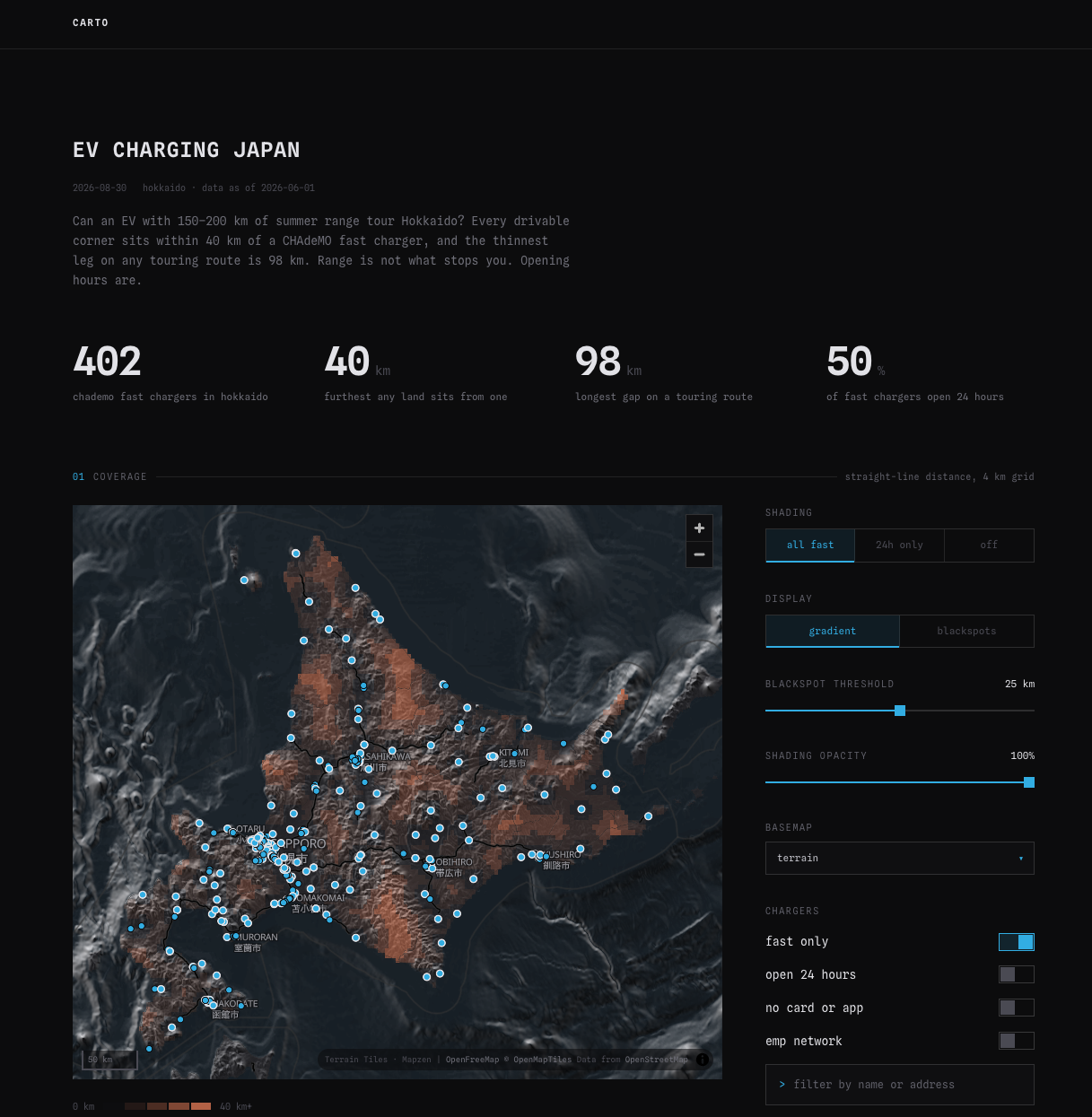
I decided to consolidate my mapping projects into a single project site called carto.liquidx.net. This just allows me to share code across a few projects and consolidate the general UI around these mapping projects. I've combined some one-off map experiments together with other mapping tools into a single project that I want to use.
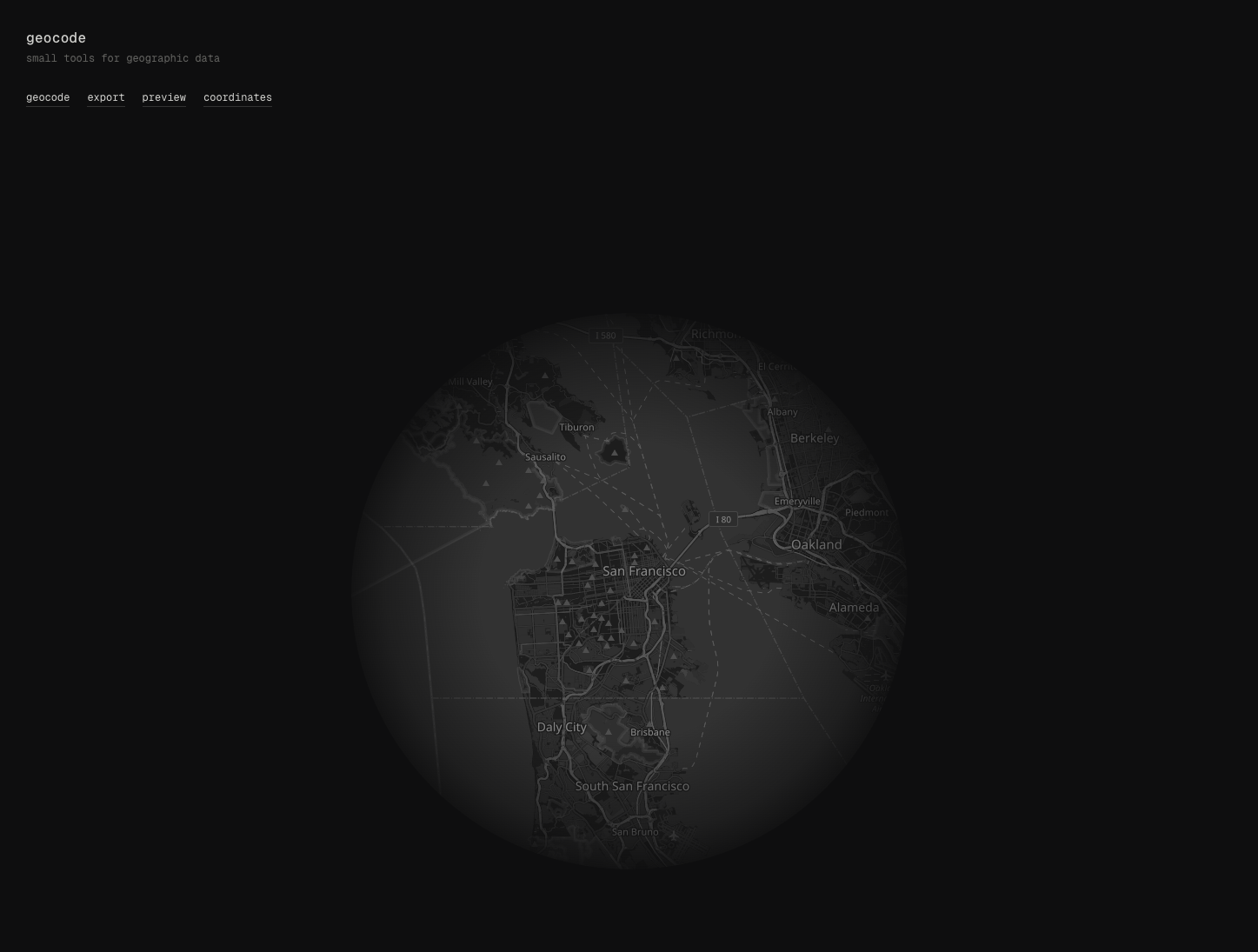
The other thing I have started doing is to create small mapping utilities under geocode.fyi, a project hosted under the Artifact Foundation that I'm spending time on.
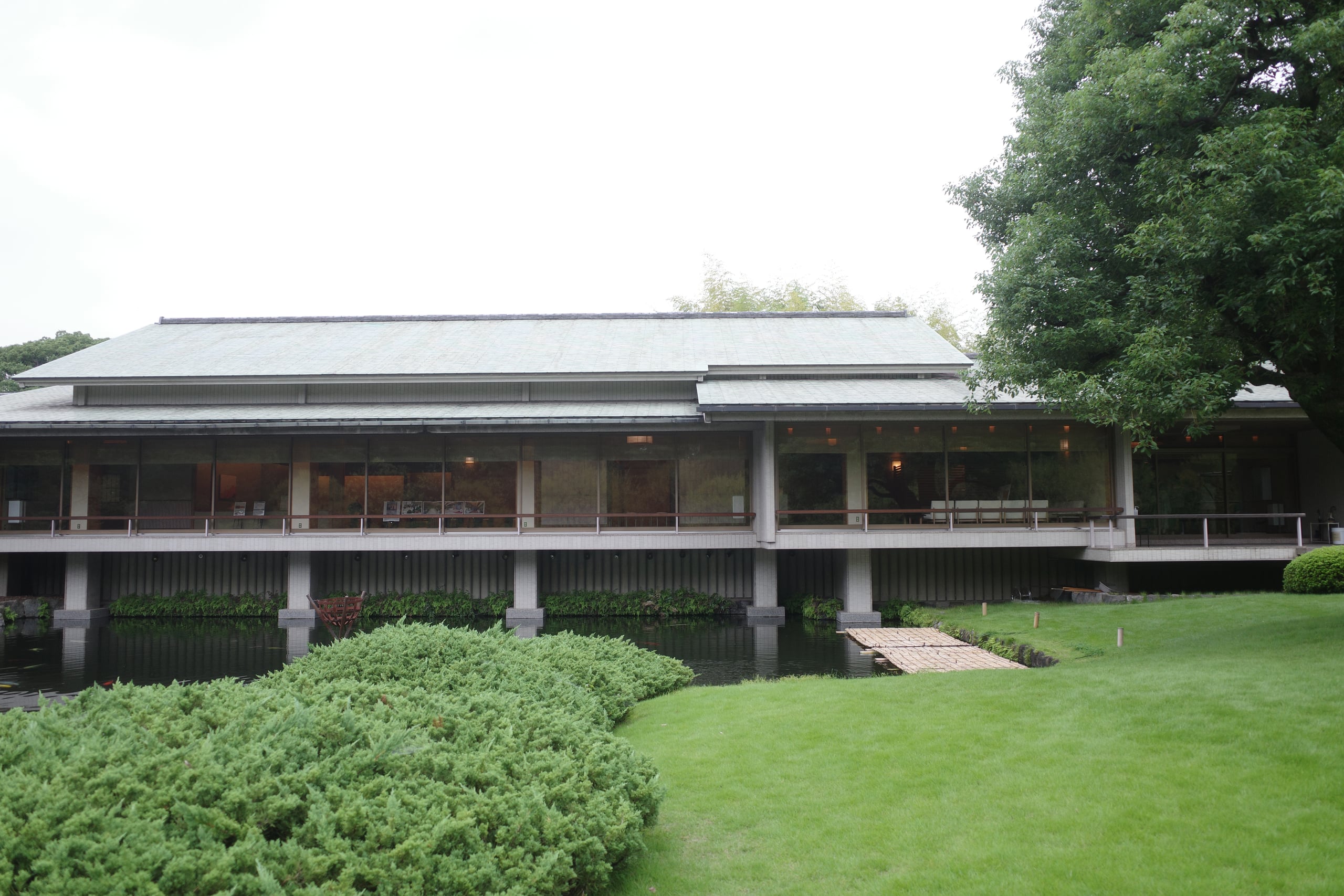
We visited the Akasaka Palace's Japanese Annex (別館). First off, I didn't even know that was a Akasaka Palace, which is used to host international dignitaries like presidents and prime ministers. The actual palace is kind of boring. It's in a French style which seems quite out of place, but I guess it looks formal. The Japanese Annex is the complete opposite of the Palace. It's a completely Japanese style house that has smaller rooms for meals. The architecture of the whole building is incredibly well designed. From the hexagonal lights, to the constant layering of different lengths to create depth and detail through architecture, to the high quality craftsmanship and materials. It's one of the most modern but Japanese "houses" I've seen.
If you ever visit Tokyo and want to check out the top tier Japanese House, you can visit this by reservation. English tours are available on Saturday and Sunday. We went on a Japanese Tour on a Monday and it was full up, so book in advance.